
0
Please log in or register to do it.

Exploring Texas, the Most Extreme State in America

Texas doesn’t ease you into anything. The moment you try to understand it, you run into the first impossible fact: crossing the state from top to bottom takes fourteen hours of nonstop driving. No breaks, no detours, no mercy. You can cross entire countries in less time. In Texas, you’re still on the same highway, still seeing the same sky, still wondering how one state got away with being this large.

But the size is only the opening act. What makes Texas feel like its own planet is how violently the land changes as you move through it. One stretch is humid pine forest thick enough to block out the sun. Keep driving and suddenly you’re in a desert that looks like a movie set. Go farther and the ground rises into mountains, then drops into canyons, then flattens into plains where the wind never shuts up. The state doesn’t transition — it transforms.

Texas has ten official climate zones, each with its own weather personality, landscape quirks, wildlife, and “only in Texas” weirdness. This list breaks them down one by one — not the textbook version, but the real version you’d experience if you actually drove all fourteen hours of it.

#1

Humid Subtropical (East Texas)

east texas East Texas lives in a humid subtropical climate, which is a fancy way of saying the air feels like warm soup most of the year. Summers are sticky enough to make you question your life choices, thunderstorms hit like they’re trying to win an award, and the humidity is so thick it feels like it’s hugging you without permission. Rain falls often and loudly, keeping everything green, wet, and slightly dramatic.

The landscape is a wall of pine trees, swamps, and moss-draped branches that look more like Louisiana than Texas. It’s the kind of place where you can drive for miles and never see the sky because the trees refuse to let sunlight through. The ground stays soft, the rivers stay muddy, and the air stays heavy.

Wildlife thrives here because everything is damp and alive. Alligators cruise through the swamps like they own the place, frogs scream at night like they’re arguing, and birds echo through the trees with jungle-level intensity. Even the insects act bold — mosquitoes here don’t bite, they assault.

The weirdest part is how fast the weather flips. One minute it’s sunny and calm, the next minute the sky opens up like someone pulled a lever. East Texas doesn’t do “mild.” It does “moist,” “loud,” and “surprisingly swampy.”
#2

Semi-Arid Steppe (Central & West-Central Texas)

The semi-arid steppe zone is where Texas starts drying out and acting tough. Rain shows up only when it feels like it, and summers roast everything that isn’t built for heat. The air is hot but not humid, which tricks you into thinking it’s safe — until the sun hits you like a heat lamp. Winters are mild, but the temperature swings can be rude.

The landscape is rolling hills, scrubby grass, and limestone cliffs that look carved by a bored giant. Rivers cut through the land in dramatic curves, and the soil shifts from rocky to dusty depending on how long it’s been since the last rain. It’s rugged, stubborn terrain that refuses to be tamed.

Wildlife here is built different. Armadillos wander around like confused tanks, jackrabbits sprint like they’re late for work, and hawks circle overhead waiting for something to make a mistake. Everything that lives here has an attitude because survival requires it.

The weirdest part is how quickly the temperature changes. Mornings can feel cool and peaceful, but by afternoon the sun is punishing everything in sight. This zone is Texas learning to be dramatic without needing humidity to help.
#3

True Desert (Far West Texas)

Far West Texas is a true desert, the kind that doesn’t care about your hydration levels or your optimism. Days are blazing hot, nights drop into hoodie weather, and rain is a rumor that rarely becomes reality. The air is dry enough to make your lips crack just from thinking about going outside.

The landscape is pure cinematic desert: cactus fields, rocky ridges, and skies so big they make your problems feel small. Mountains rise out of nowhere, mesas stretch across the horizon, and the ground is a mix of sand, stone, and stubborn plants that refuse to die. It’s harsh, beautiful, and unapologetically empty.

Wildlife here is hardcore. Rattlesnakes sunbathe like they’re on vacation, roadrunners sprint across the desert like they’re late for a meeting, and lizards do push-ups on rocks for reasons nobody understands. Everything is fast, tough, and slightly suspicious.

The weirdest thing is the silence. No cars, no crowds, no background noise — just wind and the occasional “what was that?” sound. At night, the stars explode across the sky like someone turned on the universe. This zone is Texas at its most dramatic and most beautiful.
#4

Highland Climate (Guadalupe Mountains)

The highland climate in the Guadalupe Mountains feels like Texas forgot it was supposed to be hot. Temperatures drop, air gets crisp, and storms roll in fast enough to make you rethink your hiking plans. It’s cooler, windier, and far more unpredictable than the rest of the state.

The landscape is a sky island — pine forests, steep cliffs, and peaks that used to be underwater millions of years ago. The mountains rise out of the desert like a surprise, creating an ecosystem that feels stolen from Colorado. Trails wind through forests, across ridges, and up to views that stretch for miles.

Wildlife includes mountain lions, mule deer, and birds that only live up here. The higher elevation creates habitats that don’t exist anywhere else in Texas. Even the plants look different — more alpine, more delicate, more dramatic.

The weirdest part is the fossils. You can hike a mountain and find seashells under your boots. The entire range is a fossilized reef lifted thousands of feet into the air. This zone is Texas flexing its geological history like a brag it earned over millions of years.
#5

Mediterranean-ish (Hill Country)

The Hill Country has a Mediterranean vibe: hot summers, mild winters, and sudden storms that appear out of nowhere. The air is warm but not swampy, and the evenings cool off just enough to make you forget how hot the day was. Spring is the star of the show — wildflowers explode across the land like the earth is celebrating.

The landscape is limestone hills, blue-green rivers, and valleys carved by ancient water systems. Everything looks like a postcard: cliffs, swimming holes, and fields of wildflowers stretching into the distance. It’s rugged but beautiful, rocky but inviting.

Wildlife includes deer, foxes, and millions of bats that pour out of caves every evening. Birds fill the trees, fish crowd the rivers, and the entire region feels alive in a way that’s hard to explain. Even the insects seem happier here.

The weirdest part is the water. Crystal-clear springs fed by ancient aquifers bubble up everywhere, creating rivers that stay cold even in summer. Barton Springs, Jacob’s Well, and the Frio River all come from underground systems older than human history. This zone is Texas at its most postcard-perfect.
#6

Humid Continental (North Texas)

North Texas gets a humid continental climate, which means it experiences all four seasons but with Texas-level intensity. Summers are hot, winters can slap you with ice storms, and spring brings tornadoes that treat the sky like a blender. Fall is the only season that behaves.

The landscape is wide plains, scattered forests, and endless horizons. The land stretches out in every direction, making storms easy to see — and impossible to ignore. Clouds build into towers, lightning cracks across the sky, and the wind can go from calm to chaotic in seconds.

Wildlife includes coyotes, bobcats, and massive waves of migrating birds. The region sits on major migration routes, so the sky fills with life during spring and fall. Even the insects get louder during summer nights.

The weirdest part is how fast storms form. You can be grilling outside under a blue sky, and ten minutes later you’re running inside because the wind decided to rearrange your backyard. This zone is Texas playing weather roulette.
#7

Subtropical Steppe (Panhandle & High Plains)

The subtropical steppe zone is windy, dry, and dramatic. The air feels thin, the sun feels close, and the wind never stops — ever. It blows all day, all night, all year, turning simple tasks like opening a car door into a battle.

The landscape is flat enough to confuse your brain. Grasslands stretch so far you can see tomorrow, and the horizon looks perfectly straight. The land is so open that storms can be seen forming dozens of miles away, giving the sky a constant sense of motion.

Wildlife includes pronghorn, prairie dogs, and hawks that ride the endless wind like they’re surfing. Everything here is built for speed and survival. Even the plants grow low to avoid getting bullied by the wind.

The weirdest part is the sky. Storms build like giant towers, lightning strikes sideways, and sunsets look like someone set the horizon on fire. This zone is Texas at maximum sky power.
#8

Marine-Influenced Subtropical (Gulf Coast) Code

The Gulf Coast climate is warm, humid, and unpredictable. Sea breezes cool the mornings, afternoons get sticky, and storms roll in from the Gulf like they’re late for an appointment. Hurricanes are the region’s dramatic guests, showing up uninvited and causing chaos.

The landscape is beaches, marshes, and barrier islands that shift with every storm. Sand moves, coastlines change, and the ocean decides what the land looks like. It’s a constantly changing environment shaped by water and wind.

Wildlife includes dolphins, pelicans, sea turtles, and crabs that walk sideways like they own the place. The marshes are full of life — fish, birds, insects, and creatures that thrive in the mix of salt and freshwater.

The weirdest part is how fast the weather changes. The ocean can be calm and peaceful one minute, then turn into a wall of waves and wind the next. This zone is Texas with a beach attitude and a dramatic streak.
#9

Semi-Humid Prairie (Central-North Texas) Code

The semi-humid prairie zone is a mix of grasslands and scattered trees, with weather that can’t make up its mind. Rain comes in bursts, summers get hot, and winters occasionally throw ice at you just to keep things interesting. It’s a transitional zone where everything feels slightly unpredictable.

The landscape is rolling plains, creeks, and fields that glow gold at sunset. Trees cluster around water sources, and the land shifts from open prairie to wooded patches depending on where you stand. It’s a gentle but dramatic terrain.

Wildlife includes bobcats, wild turkeys, coyotes, and insects that treat summer nights like a rave. Birds fill the sky, deer wander through fields, and the creeks stay busy with fish and turtles.

The weirdest part is the storms. They’re huge, loud, and dramatic enough to make you stop what you’re doing. Lightning cracks across the sky, thunder shakes the ground, and the clouds build into shapes that look unreal. This zone is Texas in transition.
#10

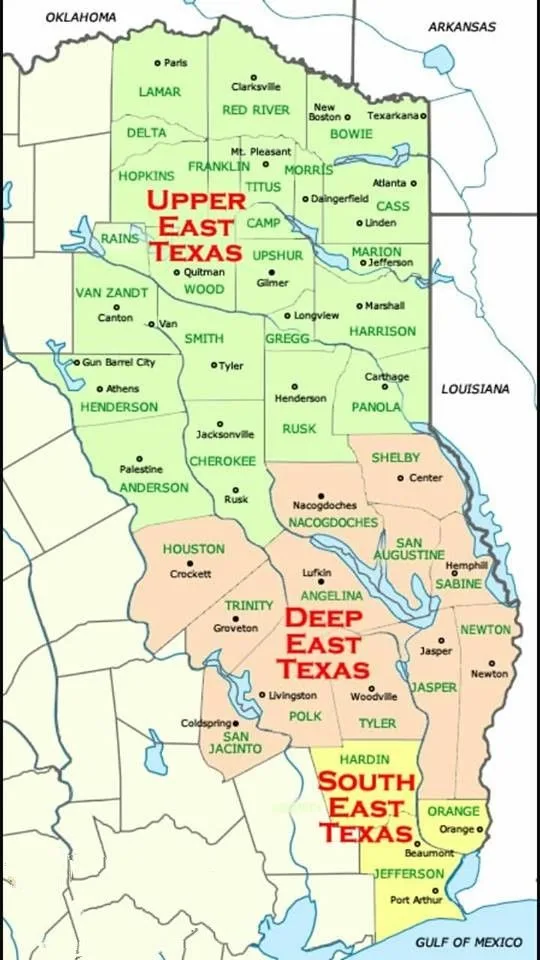
Subtropical Humid Forest (Deep East Texas)

Deep East Texas is the wettest, greenest part of the state. Rain falls often, humidity stays high, and thunderstorms hit with cinematic intensity. The air feels heavy, the ground stays soft, and everything grows fast.

The landscape is dense forest — towering pines, thick underbrush, and swamps that look prehistoric. It’s a place where the trees block out the sun, the water moves slowly, and the land feels ancient. Moss hangs from branches, vines wrap around trunks, and the forest looks alive.

Wildlife includes alligators, giant turtles, snakes, frogs, and birds that sound like jungle creatures. The forest hums, croaks, chirps, and buzzes nonstop. Even the insects seem louder here.

The weirdest part is how alive everything feels. The forest doesn’t just exist — it performs. Every sound echoes, every movement stands out, and every storm feels amplified. This zone is Texas at its most wild and untamed.
The 10 Most Overrated Vacation Spots in America (And Why People Keep Wasting Money On Them)

Your email address will not be published. Required fields are marked *