The Companies That Secretly Own Other Companies
And Why They Try to Keep You Confused
America loves to brag about “competition.”
A thousand brands. A million options. Shelves full of choices. Apps full of choices. Life full of choices.
But here’s the twist:
Most of those choices belong to the same handful of companies — on purpose.
This isn’t conspiracy.
This is corporate architecture.
This is how power hides in plain sight.
And once you see the pattern, you can’t unsee it.
1. The Illusion of Choice Is Designed, Not Accidental
Walk into any grocery store.
You think you’re choosing between 20 cereal brands.
You’re not.
You’re choosing between two companies wearing 20 different outfits.
That’s the game:
Fragment the front end, consolidate the back end.
Make the marketplace look crowded so nobody notices the same few giants collecting all the money.
It’s not about selling you a product.
It’s about owning the entire category so no matter what you pick, they win.
2. How Corporations Hide Their Ownership
Most people don’t know who owns what because corporations intentionally bury the ownership chain.
They use:
- Subsidiaries
- Sub‑subsidiaries
- Legacy brand names
- “Independent” labels
- Quiet acquisitions
- Shell companies
It’s corporate camouflage.
You think you’re supporting the underdog.
You’re probably funding the same giant you were trying to avoid.
3. The Giants Behind the Curtain
Unilever: The Everyday-Life Empire
Unilever owns so many “household” brands that you could live an entire day using only their products without realizing it.
They hide behind:
- Dove
- Axe
- Vaseline
- Hellmann’s
- Lipton
- Ben & Jerry’s
- Seventh Generation
Different vibes.
Different audiences.
Same owner.
They don’t want you to know the “eco‑friendly” brand and the “mass‑market” brand are siblings.
Because the illusion of moral choice is profitable.
PepsiCo: Not Just Soda
People think Pepsi is just a soda company.
Nah. PepsiCo is a food empire.
They own:
- Gatorade
- Tropicana
- Quaker
- Lay’s
- Doritos
- Cheetos
- Ruffles
- Sabra
You can boycott Pepsi all you want — you’re still eating their chips at the cookout.
Yum! Brands: The Fast‑Food Puppet Master
Taco Bell, KFC, and Pizza Hut?
Same parent.
Three cuisines.
Three personalities.
One corporate brain.
They don’t compete.
They coordinate.
LVMH: Luxury’s Invisible Hand
The luxury world pretends to be exclusive.
But behind the velvet curtain?
One company owns:
- Louis Vuitton
- Dior
- Fendi
- Givenchy
- Hennessy
- Sephora
- Tiffany & Co.
You’re not buying “taste.”
You’re buying into a portfolio.
Anheuser‑Busch InBev: The Beer Monopoly
AB InBev owns:
- Budweiser
- Bud Light
- Michelob
- Stella Artois
- Beck’s
- Hoegaarden
- Natural Light
Some “craft” beers?
Bought out quietly.
The parent company profits off your authenticity.
4. Why Companies Hide Ownership
Reason 1: They Want Every Demographic
If one company owns:
- the healthy brand
- the cheap brand
- the luxury brand
- the eco‑friendly brand
- the nostalgic brand
…they can sell to everyone without looking like a monopoly.
You think you’re choosing values.
You’re choosing marketing strategies.
Reason 2: They Want to Avoid Backlash
When a big corporation gets dragged online, they don’t want all their brands taking the hit.
So they hide the family tree.
If Brand A gets canceled, Brand B stays clean.
Same parent.
Different mask.
Reason 3: They Want to Kill Competition Quietly
When a giant buys a smaller brand, they rarely advertise it.
Why?
Because the whole point is to absorb the competitor without losing the customers who hated the giant in the first place.
It’s corporate taxidermy.
The brand stays alive.
The independence doesn’t.
Reason 4: They Want to Control Entire Supply Chains
Owning multiple brands in the same category lets them:
- Set prices
- Control shelf space
- Influence distributors
- Block new competitors
- Dominate advertising channels
It’s not about selling products.
It’s about controlling the environment where products exist.
5. The Most Hidden Owners of All: Investment Firms
Behind the companies you know…
are companies you don’t know.
Firms like:
- BlackRock
- Vanguard
- State Street
These aren’t “brands.”
They’re financial superstructures.
They own massive stakes in:
- Tech
- Food
- Retail
- Media
- Energy
- Transportation
- Pharmaceuticals
They don’t sell products.
They own the companies that sell the products.
They’re the landlords of capitalism.
6. Why This Matters
This isn’t trivia.
This is power.
When a handful of corporations own everything, they can:
- Set prices
- Influence culture
- Shape public opinion
- Crush small businesses
- Manipulate markets
- Lobby politicians
- Rewrite regulations
The average American thinks they’re navigating a free market.
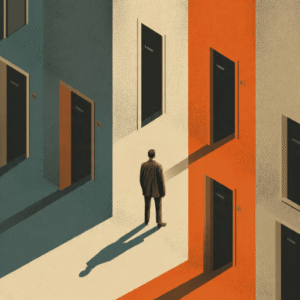
They’re navigating a maze built by the same five architects.
7. The Future: More Mergers, Less Transparency
Every year, more companies merge.
More brands disappear.
More ownership gets consolidated.
The marketplace looks bigger.
The ownership gets smaller.
That’s the trick.
The more choices they give you,
the less choice you actually have.
USAYE Takeaway
America doesn’t have a competition problem.
It has a concentration problem.
And the companies running the show want it that way.
Because when you control the brands,
you control the culture.
You control the habits.
You control the money.
You control the narrative.
The real power isn’t in the products.
It’s in the ownership.
And the ownership is hiding in plain sight.